Love Letter Envelope Machine Embroidery Review for Real Projects
As an experienced embroidery designer and product reviewer, I often evaluate digital embroidery designs based on how well they translate from screen to fabric. The Love Letter Envelope Machine Embroidery design caught my eye not just for its aesthetic but for the practical potential it holds in a variety of real-world applications. Let me walk you through my thoughts on this design, from first impressions to final stitched results.
A Design That Sparks Sentimental Elegance
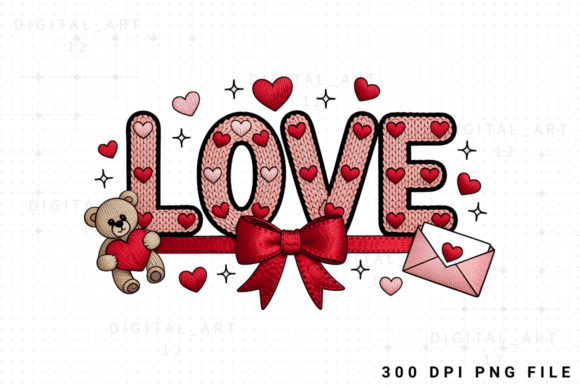
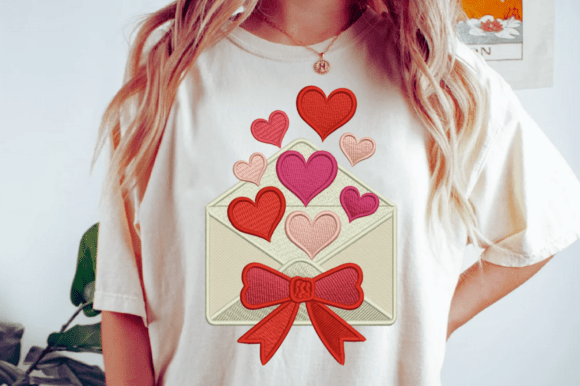
The Love Letter Envelope machine embroidery design is visually charming and thematically rich. It evokes a warm, nostalgic mood that’s perfect for heartfelt gifts or custom apparel with personality. The layout is clean and balanced, with attention given to the envelope’s structure—its flap, seal, and subtle details give it a handcrafted feel while maintaining modern clarity.
What stands out is the visual personality. This isn’t just any generic envelope—it feels like it could hold a meaningful note or a cherished memory. The shape is versatile enough to adapt to different products without losing its identity. The level of detail is impressive, especially considering it's intended for machine embroidery rather than hand-stitched work. The transparent background makes it easy to integrate into mockups and visual presentations, which is a big plus for digital product sellers and Etsy crafters.
Ideal Use Cases and Project Pairings
This design naturally fits into several embroidery project categories. I can see it beautifully embroidered on tote bags as a personalized gift, adding a touch of romance or sentimentality. On sweatshirts, it could serve as a soft, understated statement piece—especially around the holidays when themes like “love” and “letters” resonate more strongly.
For handmade product creators, this design works well on pillow covers or nursery decor, where it can be paired with soft pastels and minimalist stitching styles. It also has potential on aprons or kitchen towels as part of a home goods line. The theme aligns well with holiday gifts, making it a great candidate for seasonal Etsy listings or boutique merch.
One of the most promising uses is in custom apparel for small businesses or wedding-related items. Whether it’s a branded sweatshirt for a craft business or a personalized embroidered patch for a gift bag, this design brings a sense of warmth and professionalism that customers notice and appreciate.
Performance in Real Embroidery Situations
In practice, the Love Letter Envelope design performs best on mid-weight cotton or cotton blends. Its lines are smooth and consistent, allowing for clear stitch outlines. When using satin stitch for the envelope edges, the result is crisp and polished—ideal for personalized gifts or commercial embroidery projects that need a professional finish.
- Tote Bags: The design sits nicely on a canvas tote, especially when placed centrally. It doesn’t overwhelm the space and leaves room for additional text or embellishments if needed.
- Sweatshirts & T-Shirts: On thicker fabrics like fleece, the design maintains its shape and definition. For cotton tees, ensure good stabilizer use to avoid distortion during stitching.
- Baby Clothes: The gentle curves and lack of aggressive stitch patterns make it safe and appealing for delicate baby items. A tiny version could even be used on a onesie or bib.
- Patches & Caps: While the design is detailed, it may require some resizing for smaller hoops or curved surfaces. Always test on scrap fabric before committing to a cap embroidery project.
If you're an Etsy seller or someone crafting for a small shop product, consider pairing this design with minimalistic fonts or floral accents. It adds a nice contrast and elevates the overall presentation of your handmade product without becoming too busy.
Where Caution Is Key
Despite its charm, there are situations where the Love Letter Envelope design might not perform optimally. Here are a few key considerations:
- Small Hoop Sizes: If you plan to shrink the design significantly, review the stitch density and thread colors to ensure fine details don’t get lost.
- Stretchy or Textured Fabrics: The design’s clean lines may distort slightly on stretchier materials. Test with a running stitch or reduce tension to maintain integrity.
- Thin Fabric: Avoid using this design on very thin or lightweight material unless you’re prepared to reinforce it with a strong stabilizer.
- Dark Backgrounds: The design includes light thread color references. Make sure the thread colors you choose provide enough contrast against dark fabrics.
- Frequent Washing: Because the design contains dense stitch areas, consider whether the fabric will hold up over time. Use durable materials and quality threads for long-lasting finished products.
It’s also worth noting that layered garments or items with complex textures (like denim or flannel) may require extra care to keep the design from appearing uneven after multiple passes or washes.
Impact on Visual Appeal and Customer Perception
Visually, this design enhances the product value by introducing a personal touch. Customers tend to respond positively to embroidered items that convey emotion or tell a story, and the Love Letter Envelope does exactly that. It gives a sense of intimacy and intentionality, which can increase buyer engagement and perceived professionalism.
On handmade products like pillows or aprons, the design helps build brand consistency and recognition. It’s memorable and can become a signature element in your collection. For giftable items, it adds a layer of thoughtfulness that can make your offerings stand out at craft fairs or online marketplaces like Etsy.
From a design asset standpoint, the printable mockup included with the file allows for quick and effective previews. You can easily show clients or buyers how the design will look on their chosen garment, helping them visualize the embroidery project outcome before purchasing.
Designer Tips for Best Results
Before jumping into a production run or client order, here are some steps I recommend:
- Test on Scrap Fabric: Always do a trial stitch to see how the design behaves with your specific machine and thread setup.
- Check Thread Color Contrast: Ensure the thread colors you choose stand out clearly against your fabric. Darker backgrounds may need lighter hues for visibility.
- Review Stitch Density: Dense stitch areas can cause puckering or stiffness. Adjust the density if necessary, especially on stretchy or delicate materials.
- Confirm Hoop Size: The original file size is large (4500 X 4500 PX), so verify whether your hoop can accommodate it without compromising quality.
- Inspect Small Details: Look closely at corners and seals. These elements should remain intact and legible after stitching.
- Test in Black and White: See how the design reads without color. This helps determine if it still conveys its message effectively in grayscale.
- Compare Light and Dark Backgrounds: Try stitching the design on both white and navy fabric to understand how it affects visual impact and readability.
- Use Proper Stabilizer: Especially important for stretchy or thin materials. Choose a cutaway or tear-away stabilizer depending on the fabric type.
- Confirm Licensing: Before selling finished items or offering the design as a digital product, always double-check the licensing terms to stay compliant.
Final Thoughts: A Thoughtful Addition to Your Embroidery Toolkit
The Love Letter Envelope Machine Embroidery design is more than just a pretty graphic—it’s a meaningful addition to your machine embroidery design library. It lends itself well to holiday embroidery, personalized gifts, and commercial embroidery alike. As a designer, I appreciate how it balances detail with simplicity, making it adaptable across a wide range of embroidery project types.
However, it’s not one-size-fits-all. Depending on your craft business niche or target audience, you’ll want to tailor its application carefully. Whether you're creating a custom apparel line or preparing digital embroidery files for sale, this design offers a lot of creative potential—if approached with awareness of its strengths and limitations.
Overall, it’s a solid choice for those looking to add emotional resonance to their Graphics in the T-Shirt Designs category. Just remember to treat it like any other applique design: with respect for the medium and a bit of testing to ensure the best possible outcome.