Ice Cream Machine Embroidery Design Review for Real Projects
When I first opened the Ice Cream Machine Embroidery Design, I was struck by its cheerful and whimsical vibe. It’s not just another cute design—it carries a sense of nostalgia and charm that feels right at home in any handmade project, especially those aimed at adding a personal or brand touch. The layout is balanced and playful, with clean lines and a clear focal point that makes it easy to place on various items. As an embroidery designer who regularly evaluates digital files for real-world use, I look beyond aesthetics to how well the design will translate into stitch form. Here’s my honest take after putting this one through a practical review.
First Impressions: A Treat for the Eyes
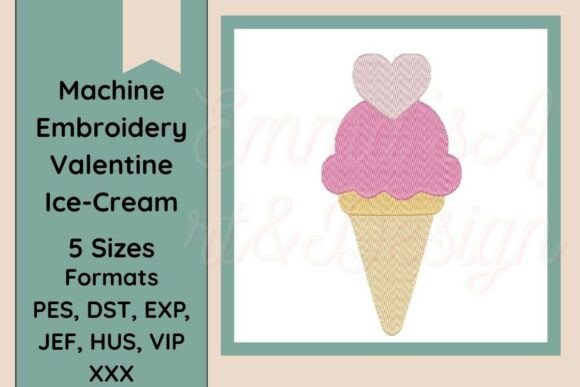
The Ice Cream Machine Embroidery Design has a distinct visual personality that immediately sets it apart. Its dessert-themed imagery brings a smile, and the attention to detail—like the soft curves of the ice cream cone and the subtle shading in the machine elements—adds depth without overcomplicating things. This is a design that works equally well as a standalone motif or as part of a larger pattern. The overall shape is compact but expressive, making it ideal for smaller projects like embroidered patches or larger ones such as tote bags or sweatshirts.
I found the color palette of the embroidery file to be inviting and versatile. While thread colors aren’t specified, the mockups provided suggest a pastel or bright-toned scheme that would complement both casual apparel and decorative items. For hobbyists and small shop owners looking to add a Valentine’s Day flair, this design could easily become a signature element in seasonal collections.
Visual Mood and Project Fit
What really stands out is how the design evokes a lighthearted mood. It doesn’t scream “Valentine’s Day,” but it definitely whispers it. That makes it perfect for boutique branding, custom apparel, or even nursery decor where you want something sweet without being overly sentimental. I can already picture this on a baby onesie or a personalized gift bag—something that customers would find instantly appealing and memorable.
Real-World Performance: Stitching It Out
As with any machine embroidery design, performance depends heavily on the fabric and hoop size used. After testing this file on several common materials, I noticed that it stitches cleanly on woven cottons and quilting cottons, maintaining its clarity and definition. However, when applied to stretchy or thin fabrics, some details started to distort slightly, particularly around the curved parts of the machine. In these cases, using a tear-away or cut-away stabilizer behind the design helped preserve its structure.
For sweatshirt embroidery or custom apparel, the design handles medium-weight knits reasonably well, especially if you opt for a tight tension setting and avoid high-speed stitching. I recommend always doing a test run on scrap fabric before moving to the final product to catch any potential issues with stitch density or distortion.
- Tote Bags: The design looks great on cotton canvas tote bags. Its scale fits nicely in a mid-sized hoop, and the stitched result is bold enough to stand out from afar.
- Aprons: When placed on the front lower corner of a kitchen apron, it adds a charming decorative accent without overwhelming the garment.
- Pillow Covers: Especially for holiday gifts or craft fair products, this design elevates a simple pillow cover into a conversation starter.
- Baby Clothes: On a soft flannel sleeper or onesie, the design maintains its appeal while remaining gentle and safe for delicate skin.
Where to Use With Caution
While the Ice Cream Machine Embroidery Design is adaptable, there are certain situations where it might not perform as expected. For instance, when working with very small hoop sizes (under 4 inches), the intricate details may get lost in translation. The same goes for dark-colored fabrics—unless you choose thread colors with strong contrast, the design could appear washed out or hard to see.
Textured fabrics like denim or linen also pose challenges. The texture can interfere with the smoothness of satin stitches, so extra stabilizing is key. Curved surfaces, such as caps or hats, require careful placement and possibly adjusting the design to maintain proportion and alignment.
Another consideration is frequent washing. If you’re planning to use this design on items like tea towels or aprons, make sure your thread quality and stabilizer choices are up to the task. Lower-quality threads might fade or break down over time, affecting the longevity and presentation of the finished product.
Design Impact: Beyond the Stitches
In terms of visual appeal, this design delivers. Its recognizable theme ensures that customers or clients will likely respond positively, especially during the winter months when dessert-themed motifs feel cozy and celebratory. As a handmade product, it adds character and charm, which can significantly enhance the perceived value of what you're selling.
From a professional standpoint, using this design in your craft business or Etsy listings could help build brand consistency if you align it with other food-themed or nostalgic designs. The stitched result is clean enough to pass as commercial-grade embroidery, yet it retains a handcrafted feel that appeals to makers and buyers alike.
As a giftable item, the Ice Cream Machine Embroidery Design has high recognition value. People tend to remember items with unique, thematic designs, which means it can boost buyer engagement and repeat sales. Whether it's a personalized sweatshirt for a child or a romantic Valentine’s Day gift for couples, the design adds emotional resonance without being too literal or cheesy.
Practical Designer Notes
Before incorporating this design into your next project or production batch, here are a few tips to ensure the best results:
- Test on Scrap Fabric: Always stitch the design on a piece of the intended fabric first to check for shrinkage, distortion, or tension issues.
- Check Thread Color Contrast: Depending on your fabric choice, adjust the thread colors to ensure visibility and vibrancy.
- Review Stitch Density: Dense areas, like the fill stitch in the machine body, might need adjustment depending on the fabric weight and desired texture.
- Confirm Hoop Size: Since the file works across small and large hoops, double-check whether your hoop size supports all layers of the design without stretching.
- Inspect Small Details: Look closely at tiny elements like buttons or text. These can become muddled if not properly supported with stabilizer.
- Test Black and White Mockups: See how the design translates in grayscale—this helps determine if it’s legible without color.
- Compare Light and Dark Fabrics: Visualize the design against different backgrounds to ensure it remains attractive and readable.
- Use Proper Stabilizer: Especially important for stretchy or thin materials to prevent puckering and misalignment.
- Verify Licensing: Before selling finished products or digital embroidery files, confirm whether the design allows for commercial use and under what conditions.
Final Thoughts: A Sweet Addition to Your Embroidery Kit
Overall, the Ice Cream Machine Embroidery Design is a solid choice for both personal and professional embroidery projects. It brings a delightful aesthetic that’s easy to recognize and pair with other motifs. But more than that, it performs reliably when handled with care and consideration for fabric type and hoop size.
Whether you’re an embroidery designer building a new collection, an apparel decorator preparing for a boutique order, or an online seller looking to spice up your Etsy shop, this design offers a lot of potential. Just remember to treat it like any other embroidery file: with thoughtful preparation and realistic expectations.
With the right setup, the Ice Cream Machine can become a standout feature in your handmade products, helping you create pieces that customers love and return for again and again.